

How To Repair Old Wood Double Hung Windows
Even high-quality forest windows can rot or develop issues over fourth dimension. Here are practiced ways to set them.
Repairs with home windows boil down into ii bones groups: one) fixing problems with window frames and sash, and 2) replacing or repairing window glass. In this commodity, we look at window frame and sash issues. For information on window glass repairs, please see How to Replace or Repair Window Glass.
Just to be articulate, window sash is the part of a window that holds the glass. Windows may have either fixed or operable sash, every bit discussed in the commodity Window Buying Guide. Both types can have issues but, of class, operable windows may accept additional problems with their mechanisms. Operable windows usually work reliably for years, only, with time, their workings can become balky.
Windows made from metal or composites take fewer issues created by weather than wood windows, because forest is decumbent to rot with prolonged exposure to dampness and tin can scissure with exposure to lord's day. Wood is as well delectable to termites.
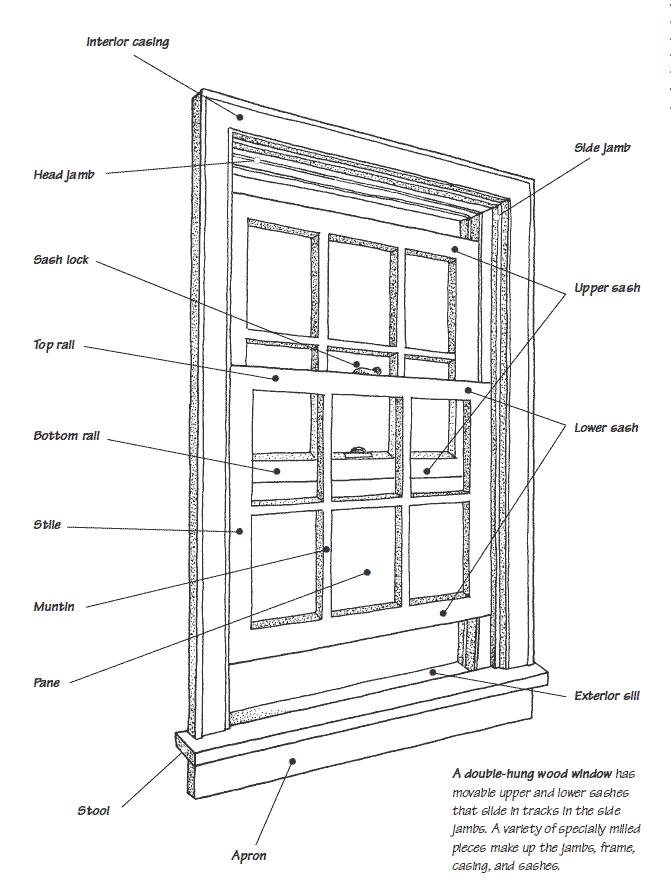
Double-hung woods windows—the type with a bottom section you tin can enhance and a summit section you tin can lower—are the biggest offenders. When they go bad, they're almost incommunicable to open.
Repainting wooden frames every iii to five years, depending on your prevailing atmospheric condition conditions, will preserve them—but don't allow built-up pigment seal them shut. When painting them don't allow paint lap over any moving parts. Also, yearly maintenance, such equally filling cracks with putty and caulking the edges, will become a long way toward protecting them.
Even vinyl and aluminum windows need a little basic care to go along them working smoothly. You can scrub both types with a natural bristle brush and detergent solution. If you accept anodized aluminum frames, you can restore their luster by polishing them with fine steel wool then coating them with paste wax.
Repairing Rotted Woodwork
Where a wood sill or sash has taken serious abuse from conditions, resulting in rot, y'all can apply epoxy wood filler, available at home centers, to repair the area. (If big areas are affected, talk with a carpenter about cutting-out and replacing sections of the wood or the unabridged sash.) Contact a window replacement or repair contractor if you need assist.
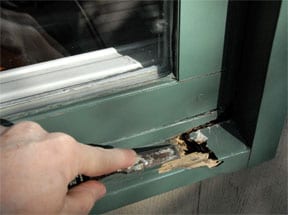
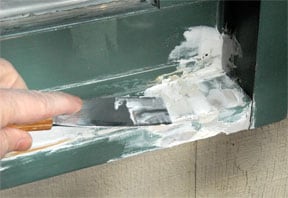
1 Use a chisel to dislodge most of the loose, rotted wood. Drill a few one/four-inch holes into the damaged wood. Soak the entire rotted expanse with liquid epoxy "consolidant" to transform the area into a sturdy base for filler. Let the wood absorb information technology for virtually 5 minutes and and then reapply it, wait, and reapply it again until the wood ceases to take the consolidant.
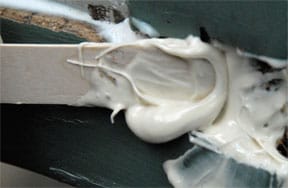
2 Mix a batch of epoxy filler according to label directions and begin to mold the repair. Every bit the fabric cures, dip an old putty knife or flat paint stirring stick in solvent and use information technology to pack and shape the repair.
3 Sand, file, and/or rasp the surface area until it is smoothen and flat.
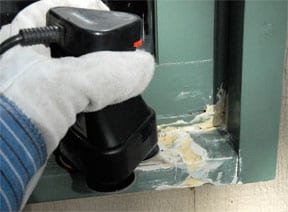
4 Because the filler lacks pliability, the surface is probable to have dips and voids even after sanding. Utilize a putty knife to apply outside-course vinyl patching compound to fill whatever remaining holes and voids. Allow this to dry, and then sand it shine and repeat if necessary. Finally, prime number and pigment inside 3 days.
Stuck Double-Hung Window
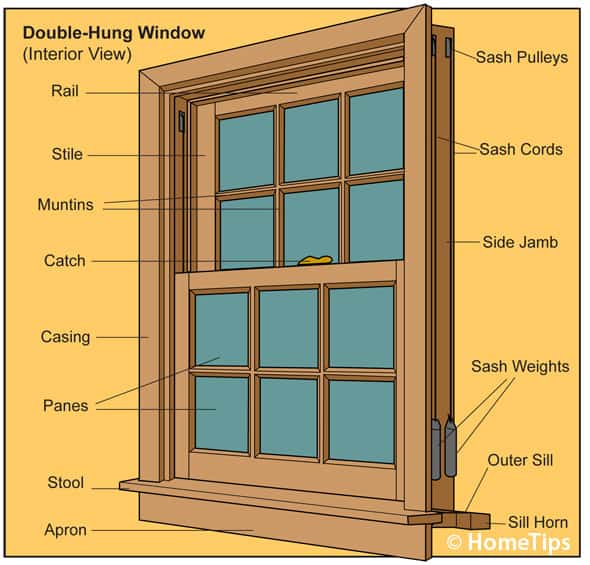
The most mutual problem with double-hung windows is that they go stuck in their tracks. This tin can happen because of high humidity that swells the wood, accumulated crud that blocks the tracks, or repeated painting that seals together the surfaces.
Double-Hung Window Is Temporarily Stuck
If a sash is temporarily stuck considering of high humidity, simply waiting for the weather to change may solve the problem. If a sash moves reluctantly, clean the sash channels.
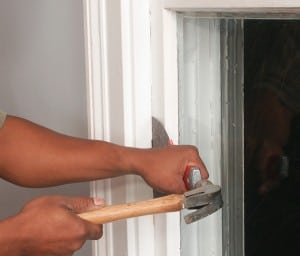
If the aqueduct is squeezing against the window, widen the channel by inserting a woods block where it binds and tapping it with a hammer.
If crud is blocking the channel, apply a sharp woods chisel to remove the blockage. So, using medium sandpaper wrapped effectually a woods block, sand the aqueduct. Finally, lubricate the channel with a coating of wax.
If you tin can't budge the window, utilize a utility pocketknife to cut the painted edges of the sash. So work a iii-inch-wide putty pocketknife between the sash and frame and tap it with a mallet.
From outside, wedge a prybar between the sill and sash; piece of work alternately at each corner so the sash moves up evenly. Protect the sill with a woods block.
Double-Hung Window Is Painted Shut
If you have a double-hung window that has been painted close, you tin usually get it working again by cutting through the paint that is sealing the sash effectually its perimeter. Try this:
Apply a utility pocketknife—or, better yet, a special little tool that looks like a serrated metal spatula called a window saw (available at pigment and hardware stores for most $10)—to cut through the paint all around the movable sash. Be careful not to leave whatever areas uncut both inside and out and besides have care non to damage the painted surfaces.
Make sure the window is unlocked. Also make sure that in that location are no nails or screws securing the sash to the jamb; if there are, remove them. Then try to strength the window open up with sharp force, using the heels of your easily.
If that doesn't work, try to free the window with a wood cake and a hammer or mallet, but be careful non to jar the window then hard that you break the drinking glass! One time yous get the window open, brush away the loose paint.
Window Sash Is Too Loose
Although many windows endure from being too tight—or worse, completely stuck—another occasional problem is a window sash that is too loose. All woods shrinks to some caste over time, and forest wears down from use. The result is a window that rattles in its tracks.
A sash that is too loose tin can be tightened. If the gap is non too wide and the stop is nailed rather than screwed, you can adjust the stop slightly without really removing it.
Score the paint between the terminate and the jamb, and identify a cardboard shim between the stop and the sash. Protect the end by belongings a block of wood against it, and hammer toward the sash along the length of the stop until the paint film breaks and the terminate rests against the shim. And so secure the finish with finishing nails. For broad gaps, reposition the stops.
Some other easy fix is to add an insulation strip to the face of the old departing strip. It may take up just enough slack in the window, and it also adds protection against the elements.
Window Falls Shut
Do you have a double-hung window that won't stay open unless y'all prop information technology up? Most of the time this is caused past a broken sash cord. This is an inexpensive and relatively easy fix, but it does take a bit of time.
1 Remove the interior stops. To practice this, you lot'll probably have to slice the paint seal with a utility knife and then, using an old chisel, pry off the moldings. If the window has weatherstripping, remove it.
2 Tilt out the bottom sash and remove the sash cords. Lower the weights carefully (if both sash cords aren't cleaved). If you desire to replace the sash cords in the upper sash, you'll have to pry out at least one of the parting strips to remove that sash. When you lot pry the parting strips out, they volition more than than probable be ruined, so plan on buying new ones at a lumberyard.
3 Remove the access panel covers located on the inner face up of the window frame.
4 Pass new #7 cotton fiber sash cord over each top pulley and feed it down until information technology drops into the admission area. If necessary, utilize a bent coat hanger to pull it through the admission pigsty.
five At each side, tie the terminate of the cord onto the sash weight and and so, with the weight sitting on the bottom of its channel, pull the cord taut and cut it off about four inches from the summit pulley.
6 Necktie a knot and button the knot into the elevation slot at the side of the sash. Tack the knot with a brad. Examination the activity of the window up and down.
7 Reassemble the residue of the window, reversing the order of disassembly. Exist sure the stops are not and so tight that they cause the window to bind.
How to Protect a Window Sill
The sill is the part of the frame that takes the worst beating because information technology extends out from the window. To protect a especially vulnerable sill, you can cover it with a sail of aluminum and pigment it to friction match the wood. This is actually a very easy project and offers excellent protection.
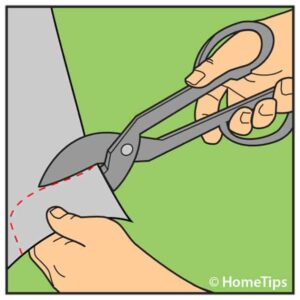
First, cut a paper template that fits the sill. Lay the template on sheet aluminum (available in rolls or sheets at dwelling house improvement centers), and mark the design on the metal. Using tin snips, cut out the pattern.
Caulk the sill edges and wedge one side of the aluminum to the stool of the sill and nail it in place with 1-inch roofing nails.
Record a block of wood over the surface of the aluminum and tap it with a hammer so the aluminum takes on the shape of the sill. Nail it underneath the sill and seal it forth the edges with caulking compound.
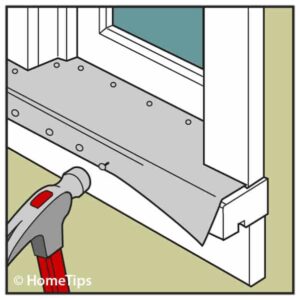
Prime with metallic primer and pigment to match your trim.
Featured Resources: Find Local Pre-Screened Window Repair Pros
Source: https://www.hometips.com/repair-fix/windows-double-hung.html
Posted by: jacksoninswer.blogspot.com
0 Response to "How To Repair Old Wood Double Hung Windows"
Post a Comment